
Certifications & Accreditations
ISA
Certified Arborist
CTSP
Tree Safety Pro
TRAQ
Risk Assessment
NOFA
Organic Land Care
TCIA
Accredited Member
PROFESSIONAL PLANT HEALTH CARE
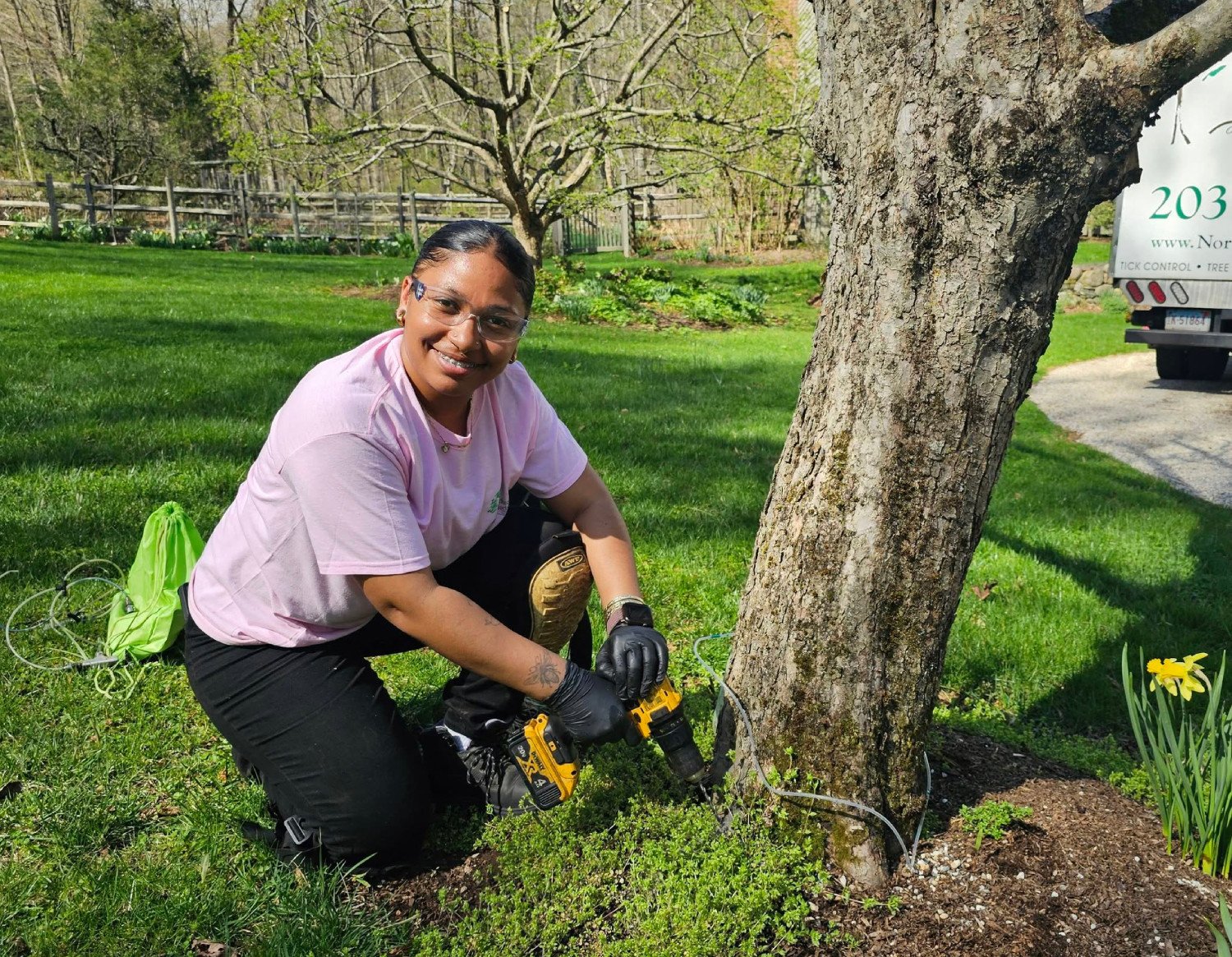
Healthy Plants Start With the Right Diagnosis
Yellowing leaves, thinning canopies, branch dieback, unusual growth, or declining shrubs can look like straightforward problems. In reality, similar symptoms can result from very different conditions.
Pests, disease, soil conditions, moisture, root stress, weather, and changes within the surrounding landscape can all influence plant health.
NEHS looks beyond the visible symptom to better understand what may be affecting the plant before determining an appropriate care strategy.
WHEN SHOULD YOU ASK FOR HELP?
Signs Your Trees & Plants May Need Professional Attention
Changes in foliage, growth, canopy condition, or overall plant appearance can signal underlying stress. Professional evaluation can help identify contributing conditions and determine an appropriate response.

Yellowing or Discolored Leaves
Unexpected changes in foliage color can be associated with several plant, soil, moisture, or environmental conditions.
Thinning Canopy
Reduced foliage or noticeable canopy thinning may indicate that a tree is experiencing health or environmental stress.
Branch Dieback
Dead or declining branches can develop for different reasons and may justify closer evaluation of the plant and site.
Unusual Insect Activity
Visible insects, feeding damage, or other changes may indicate pest activity that should be professionally identified before management decisions are made.
Spots or Unusual Growth
Leaf spots, bark changes, abnormal growth, or other symptoms can sometimes indicate disease or another underlying plant-health concern.

General Plant Decline
When a tree or shrub appears less vigorous over time without an obvious cause, a broader evaluation of its health and growing conditions may be appropriate.
DIAGNOSIS BEFORE TREATMENT
Similar Symptoms Can Have Different Causes
A declining tree does not automatically have a disease. An insect on a plant does not automatically mean treatment is required.
Effective Plant Health Care begins by considering the plant, symptoms, site conditions, and wider growing environment together.
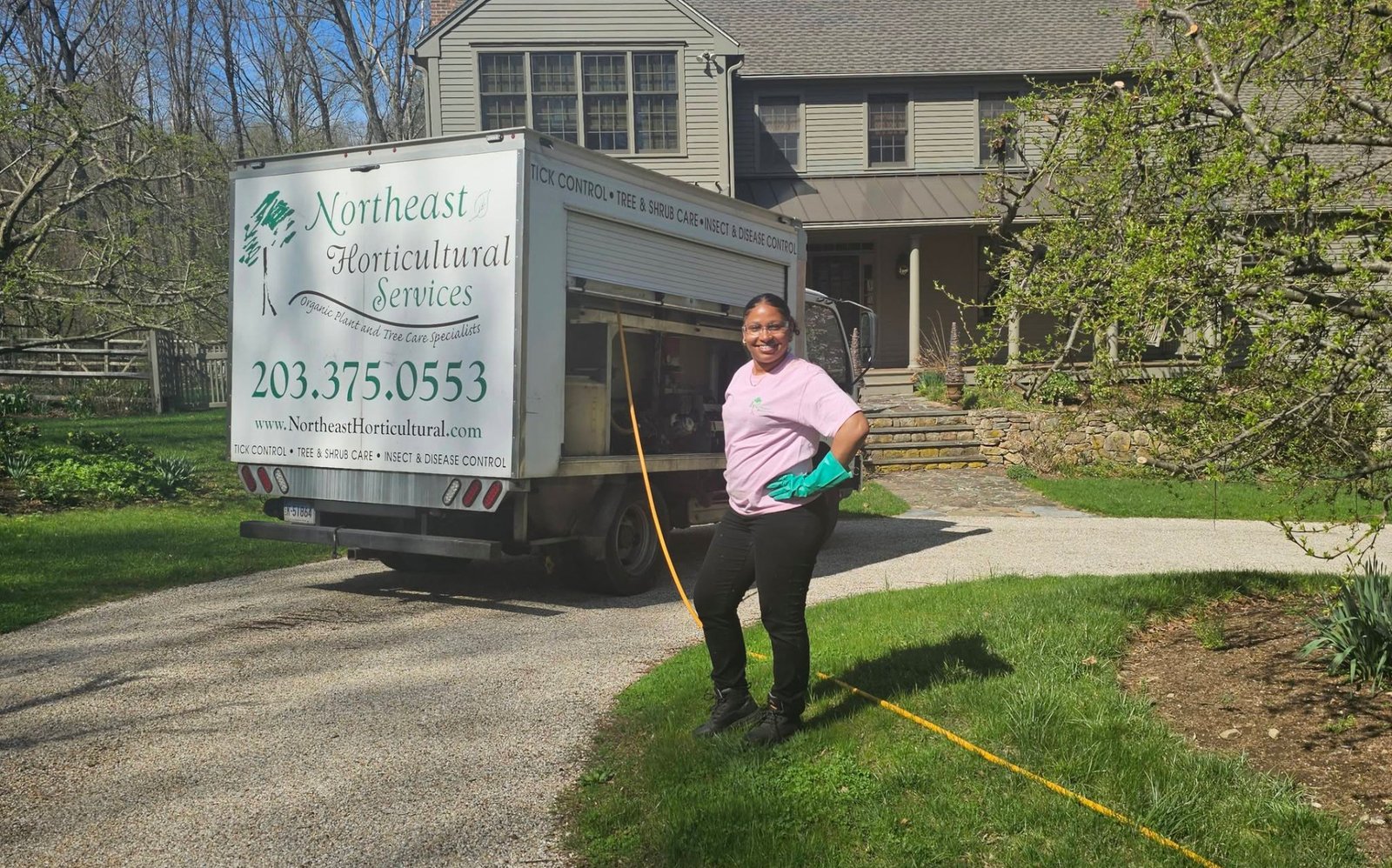
NEHS uses arboricultural and horticultural knowledge to better understand what is happening before recommending care. This helps keep decisions focused on the actual condition rather than treating symptoms in isolation.
WHAT CAN AFFECT PLANT HEALTH?
Plant Health Is Connected to the Growing Environment
Pests
Certain insects and other pests can affect foliage, branches, bark, or overall plant performance. Correct identification is important before determining whether management is appropriate.
Disease
Plant diseases can produce a variety of symptoms, but visible changes should be considered alongside species, weather, site conditions, and other possible causes.
Soil & Root Conditions
Compacted soil, disturbed roots, drainage conditions, moisture, and the root-zone environment can influence what happens above ground.
Environmental Stress
Heat, drought, excessive moisture, storms, construction, changing sunlight, and other environmental pressures can affect trees and landscape plants.
KNOWLEDGE BEHIND THE RECOMMENDATION
Tree & Plant Health Care Guided by Experienced Professionals
Dan Dalton
Board Certified Master Arborist
Dan Dalton is a Board Certified Master Arborist and Connecticut licensed arborist with a degree in Resource Management from SUNY College of Environmental Science and Forestry. He also teaches horticulture at CT State Community College, Naugatuck.
Cedi Frazier
Plant Health Care Technician
Cedi Frazier brings hands-on Plant Health Care experience to NEHS and has more than six years of experience with the company.
EXPERTISE YOU CAN VERIFY
Professional Knowledge Behind Plant Health Decisions
Tree work can affect safety, property, and living assets that may have taken decades to mature. Our professional credentials help support a more informed approach to tree assessment, care, and long-term management.

Advanced Arborist Expertise
Having a Board Certified Master Arborist on staff provides advanced arboricultural knowledge for understanding tree health and management concerns.

Licensed & Certified Professionals
Connecticut arborist licensing and ISA certification support professional evaluation of trees, their condition, and appropriate management options.

Organic Land Care Knowledge
NOFA-accredited Organic Land Care expertise supports a wider understanding of soil, plants, lawns, and landscape conditions.
RELATED SERVICES
Connected Care for Trees & Landscapes
A professional assessment does not begin with a predetermined service.
Depending on what is observed, the appropriate next step may involve monitoring the tree, pruning, addressing health concerns, removal, or another management decision.
Tree Pruning
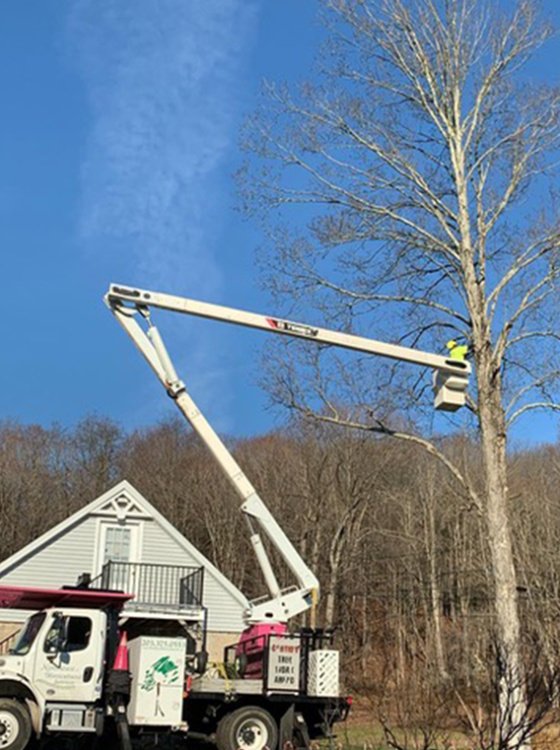
When branch condition, structure, clearance, or other pruning objectives need attention, professional pruning may be recommended.
Tree Assessment
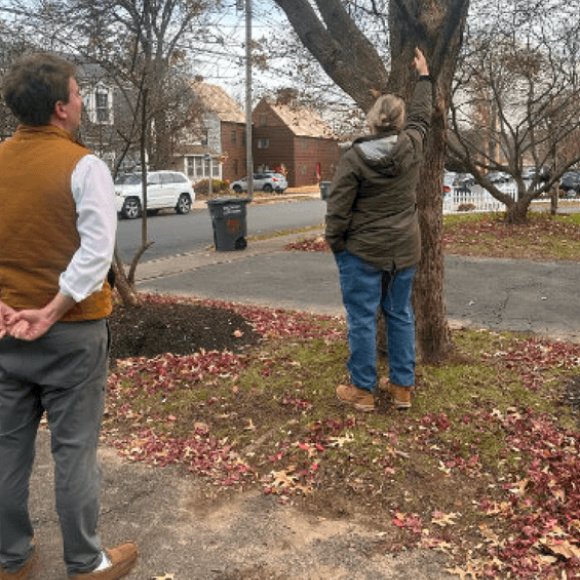
When the primary question concerns a tree's overall condition, structure, or management options, professional Tree Assessment may be the appropriate starting point.
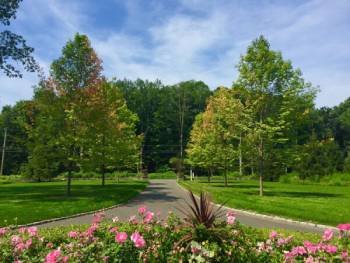
Organic Lawn & Land Care
For properties where soil and broader growing conditions are part of the concern, our organic approach considers the health of the wider landscape.
LOCAL PLANT HEALTH EXPERTISE
Tree & Plant Health Care Across Fairfield County
Northeast Horticultural Services provides professional tree, plant, and property care throughout Fairfield County, with additional service in parts of New Haven County.
Westport, CT
Estate Care
Fairfield, CT
Full Service
Milford, CT
Full Service
Redding, CT
Full Service
Weston, CT
Estate Care
Wilton, CT
Estate Care
Easton, CT
Full Service
Trumbull, CT
Full Service
TRUSTED PROFESSIONAL CARE
Trusted by Connecticut Property Owners

4.6/5
117 Google reviews


We had a huge white pine fall in a storm and Northeast Horticultural Services were exemplary in every way. From the initial meeting with Stacy and follow up to the final clean up. The crew consisted of Frank, Adonias, Junior, Juan, and Nigel. They were professional, knowledgeable, and above all friendly. We would highly recommend this company without reservation.

We’ve had over 20 years of great service from Northeast Horticultural, including a a tree removal team today (Frank, Junior, Nigel, and Juan) who were prompt, efficient, careful, and friendly. Stacy is a pleasure to work with, and Cedi has always been terrific. Highly recommend!
Stacey and Dan are knowledgeable Arborists who bring a high level of expertise to the job. A company that strives to go above and beyond to satisfy their clients. I would highly recommend Northeast Horticultural Services for all your tree and landscape needs. They are professional, knowledgeable, and reliable from start to finish.
UNDERSTAND YOUR LANDSCAPE
Expert Advice for Healthier Trees & Plants
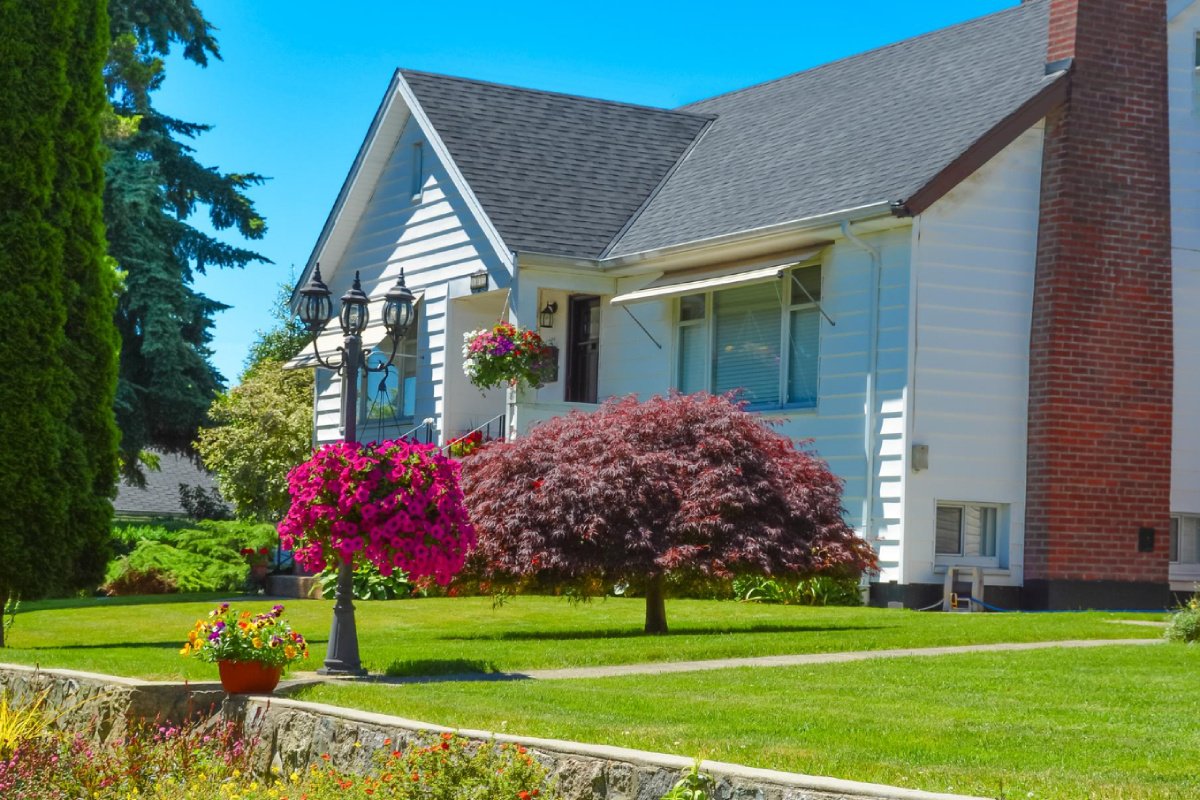
The Best Time to Prune Trees in Connecticut
Late winter, mid-summer, or early fall when you prune matters as much as how. A seasonal guide for CT homeowners.
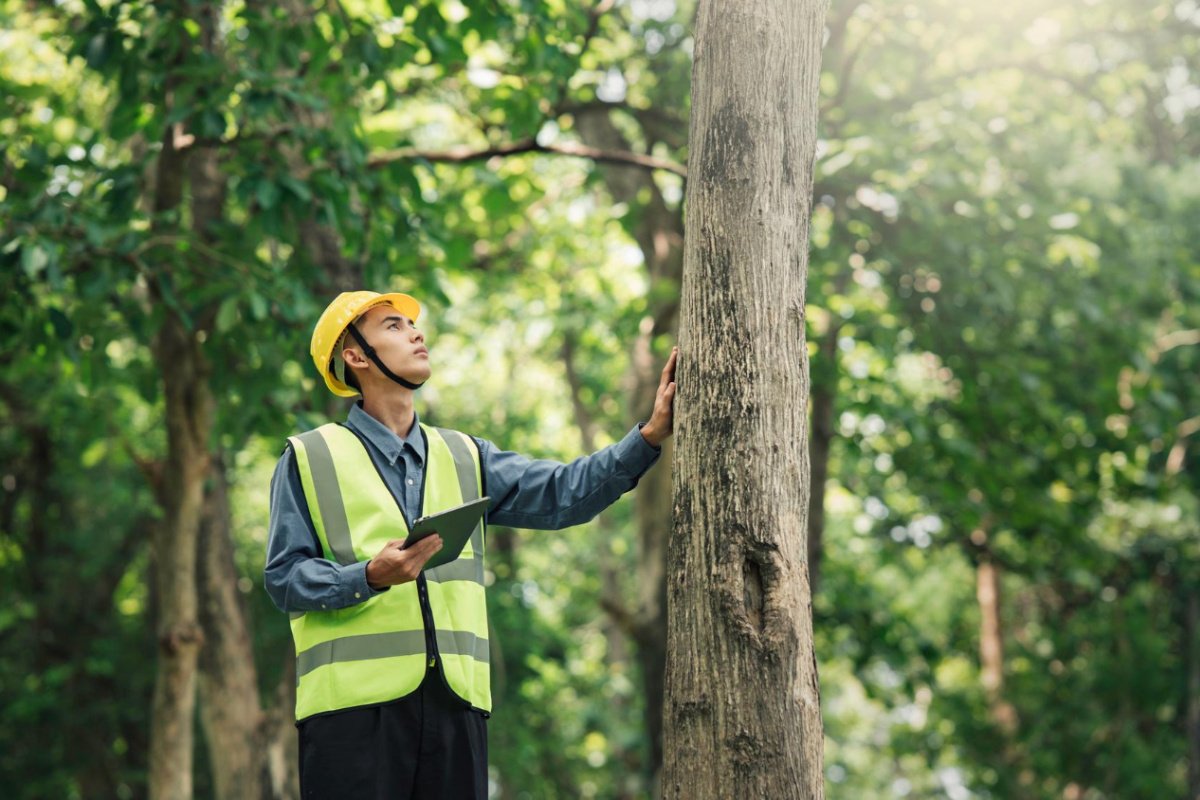
Licensed Arborist vs. Tree Service: What’s the Difference?
Why the difference between a state-licensed arborist and a tree service company matters more than most homeowners realize.
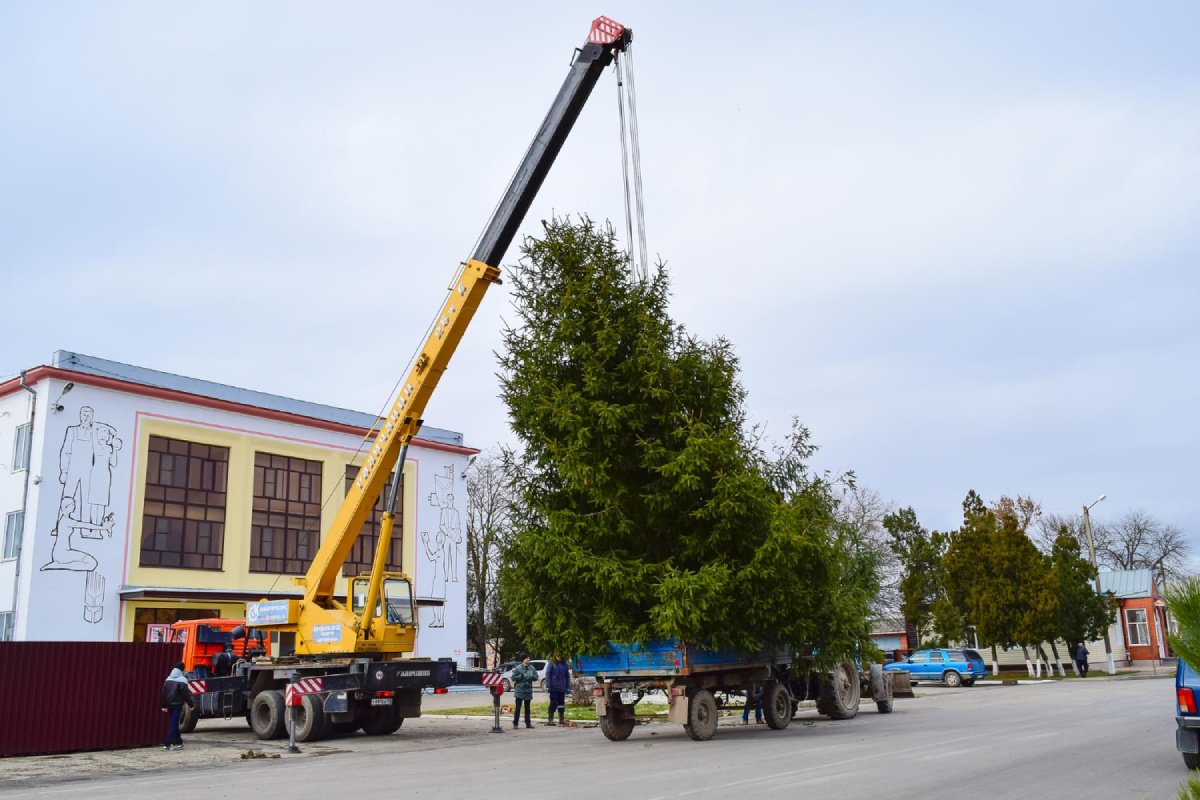
How Much Does Tree Removal Cost in Fairfield County, CT?
A transparent breakdown of what tree removal actually costs in Connecticut, why prices vary, and what to ask before signing.
FROM SYMPTOM TO INFORMED CARE
A Thoughtful Approach to Plant Health

Tell Us What You Are Seeing
Share the symptoms, affected plants, property location, and any changes you have noticed.
Evaluate the Plant & Site
When appropriate, our team considers visible symptoms and relevant growing conditions surrounding the plant.

Understand the Concern
We consider potential contributing factors before determining what management approach may be appropriate.

Recommend the Next Step
When care is needed, recommendations reflect the plant, property conditions, and identified concern.
TREE & PLANT HEALTH CARE FAQ
Plant Health Questions From Connecticut Property Owners
HEALTHIER PLANTS START WITH UNDERSTANDING THE PROBLEM
Concerned About a Tree or Plant on Your Property?
You do not need to diagnose the problem before contacting Northeast Horticultural Services.
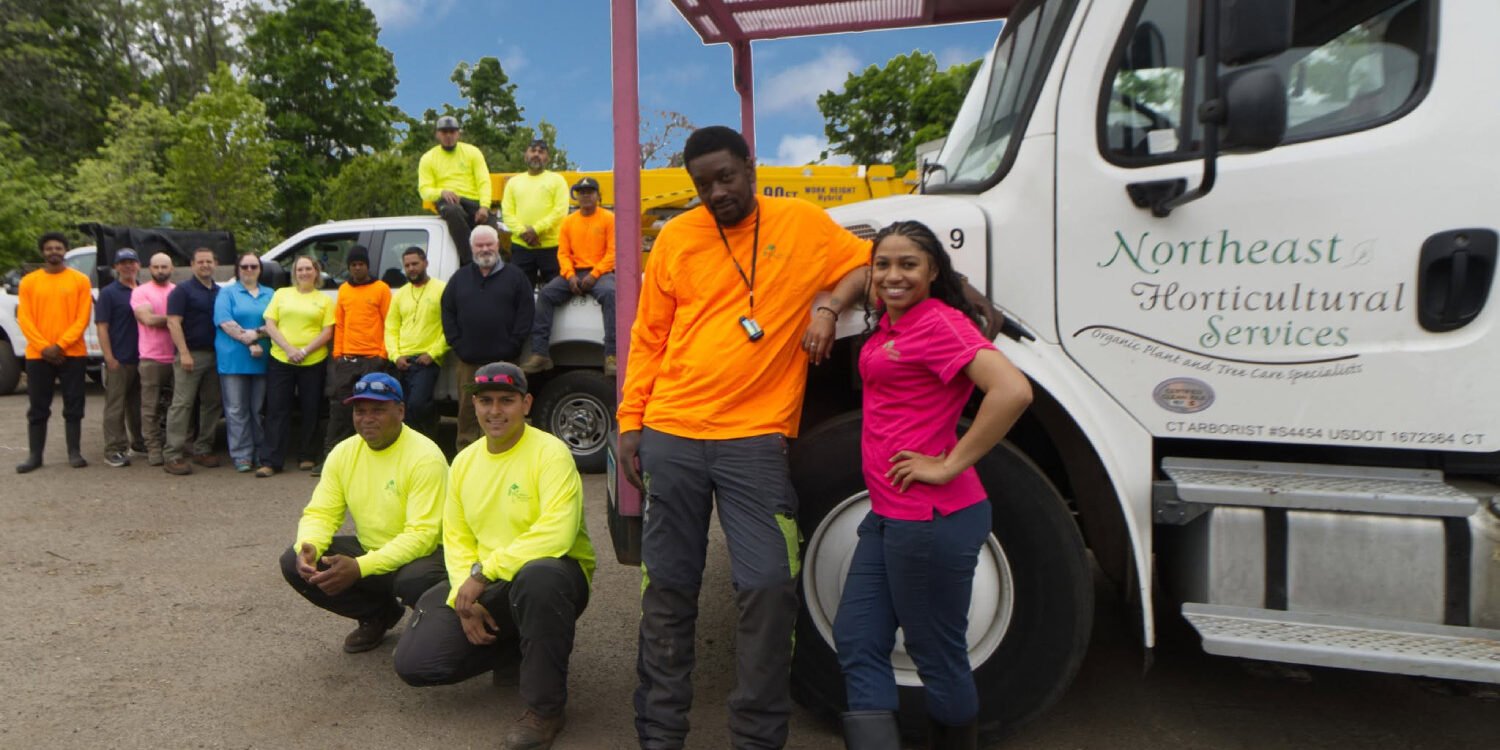
Tell us what you are seeing. Our team can help evaluate the condition and determine an appropriate next step for the plant and your property.